Why is Mac Mail not working?
Apps from anywhere else: Apps that aren’t acquired from the Mac App Store and aren’t signed with a developer ID fall into this last category. Apple considers these the least secure, but it doesn’t mean an app is untrustworthy–after all, Mac apps that haven’t been updated in years may not be properly signed. Use Command-Tab and Command-Shift-Tab to cycle forward and backward through your open applications. (This functionality is almost identical to Alt-Tab on PCs.) 2. Or, swipe up on the touchpad.
With a new macOS out there, some Mac users have encountered Mac Mail problems following an attempt to update to macOS Catalina.
If you are experiencing any of the problems listed below, we’ve got fixes to get your Mac Mail working as it should. Despite numerous improvements from the previous operating system, there weren't too many changes made to the Mail App in Catalina.
However, there have, and were numerous reports of the app crashing or unexpectedly quitting, which is why fixes and workarounds are currently needed to ensure the Mail app works as it should.
Here are a number of problems and 12 fixes for those who've encountered unexpected issues with Mac Mail.
1. Mail not launching since macOS Catalina update
This is one of the most common problems people keep encountering, and it seems the fix is pretty simple too.
Fix: Launch the Mac Mail app from your Applications
If Mail launches that way, drag the icon out of the Dock. Once that has vanished, drag the icon — a copy of it will be made —back into the Dock. Then close Mail and attempt to open it again via the Dock. Providing that works, your problem is fixed.
Tip: Control + Click the Mail app icon to reveal 'Open' command in the context menu.
2. Mail crashing or running slow
Now, if the above solution doesn't work and Mail is either crashing or running slowly, there are other ways you can get it working smoothly again. No one can be without access to email for too long!
Fix 1: Force Quit the Mail app
Do this the usual way, and if that doesn't work, move onto the next step.
Fix 2: Restart Mail using the Activity Monitor
- Go to Activity Monitor through Spotlight, Siri or Utilities.
- Type ‘Mail’ into the search function.
- Now click on the X symbol to force close.
- Attempt to restart the usual way - or take it out of the Dock and put it back in (fix #1), before trying to restart the Mail app.
Fix 3: Delete saved Mail states
If the solutions above don't work, let’s start to clear out some prior-state files on your Mac.
This requires going into your hidden Library folders.
- Open Finder > Go to Folder...
- Now hold the Option key and Select Library to open these folders.
- Find this folder: Containers > com.apple.mail > Data > Library > Saved Application State
- Within that, move this folder into Trash: com.apple.mail.savedState
- Empty the Trash and try to restart Mac Mail the usual way.
Important: Back up the mentioned folder so you can put it back if something goes wrong.
If that has worked, you can restart Mail and it should be running smoothly. If not, there are other solutions below, and some that don't involve quite so much digging within Library folders and files - which aren't always so easy to find for those who aren't Mac power users.
3. Mail folders missing
In some cases, these problems have caused Mail folders to go missing - without those the app won’t work, so there are solutions to these that most users can manage without too much difficulty to get the Mail app working again.
Fix: Check your Mail Connections
- Open the Mail app.
- Go to the Window in the top menu and click on Connection Doctor.
- This will show whether there are problems with connecting to the Mail app.
- Now re-check account settings and delete and re-add your Mail account to reset this.
- Your Mail app and every email should be accessible again.
4: Mail app is slow
Sometimes your Mail is slow because it has to deal with tons of open windows buried beneath other apps.
Fix: Merge Mail windows
Specifically for this your email client has a lesser-known command called 'Merge All Windows'.
Click on Mail > Window
Now, choose 'Merge All Windows'
Close the redundant windows to minimize the impact on your Mail's memory. Hopefully, it will get snappier.
5: Mail app junk
As outlined above, there are a number of fixes for Mail not working. Some of them require a certain amount of technical confidence and know-how. It is also worth noting that deleting the wrong folder or file within Library could disable another app accidentally. But, luckily, there's a software that can do all the fixing for you.
Fix 1: Repair Mail settings with CleanMyMac X
CleanMyMac X is a Mac maintenance app that is notarized by Apple. It's developed by MacPaw, the makers of various productivity tools for Mac. The latest version of CleanMyMac has tools that help you troubleshoot Mail, beyond other things.
- Download CleanMyMac X free edition.
- Click on Mail Attachments.
Now, if you click Scan, the app will search for unnecessary files in Mail it can delete.
Now open Mail again — it should be working as good as new.
Fix 2: Reset the Mail App (nuclear option)
One of the quick fixes that works in 99% of the cases is to “reset” the Mail App. I use CleanMyMac X for this operation. It doesn’t delete the program itself but brings it back to its default state. This operation solves many app conflicts and incompatibilities. Also, your user files stay safe and are not being affected.
To enable this feature you need to do one preliminary step: open CleanMyMac X Preferences.
Have you installed CleanMyMac X? Ok, let's go.
Click CleanMyMac X (in the upper menu) > Preferences.
Click on Ignore List and choose Uninstaller.
Uncheck 'Ignore system applications' box.
We've just allowed CleanMyMac X to reset your Mail app.
The reset procedure:
- Launch the Uninstaller tool in CleanMyMac X.
- Choose Mail app in the list of Apple apps.
- Click on the Uninstall button with arrows — this reveals the Reset button.
- Click Reset.
As we mentioned above, CleanMyMac X is a really useful Mac performance improvement app. It comes with a whole load of features and tools that improve how a Mac runs, and can get your Mail app up and running again without stress or it taking very long. Hope you are receiving mail again — stay tuned for more Mac tips.
The Files app is a welcome addition to iOS. It looks simplistic, yet there's a real powerhouse underneath once you get to know the various features available.
But just like with anything new, the Files app isn’t without its fair share of bugs and glitches, not to mention a severe lack of intuitiveness at times.
While Apple has done a great job at toning down a lot of problems over the few months that the Files app’s been in business, there are a number of annoyances still present, so let’s see how we can have them resolved.
Note:Review: The Best and Worst of iOS 11Fix for Files App Isn’t Present
Unlike most iOS stock apps, the Files app is actually removable. If you don’t see the Files app on your Home screen or dock, then you may have deleted it accidentally.
To re-install the Files app, just search for Files via the App Store and tap the cloud-shaped icon to get it installed.
Afterward, you should find it on the Home screen instantly. You can also choose to drag the Files app onto the Dock to make it readily accessible.
Note: If you can’t find the Files app on the App Store, make sure that your device has iOS 11 installed or supports it in the first place!iCloud Doesn't Show Up/Won't Display Files
The Files app features iCloud Drive as a supported location by default. In fact, it's the only location available if you don't have any third-party cloud storage apps installed.
However, there are a couple of issues where the Files app fails to display any items stored within iCloud or stops showing iCloud as a supported location altogether. But a simple fix lets you make things function properly again.
Step 1: Open the Settings panel, tap your profile name, and then tap iCloud.
Step 2: Scroll down and tap the toggle next to iCloud Drive to turn it off. Wait for a couple of seconds, and then turn it on again.
Voila! You should now find iCloud listed within the Files app again, or if it already was, have your iCloud files and folders show up normally.
Can’t Find Additional Storage Locations
The Files app is a one-stop portal for all installed cloud storages on your iPhone or iPad. However, that doesn’t mean that the app shows your cloud storages as soon as you install them. Rather, you need to manually toggle them on — except for iCloud, which should show up by default.
On the Files app, tap the Edit option above Locations. You should now see a list of all cloud storage locations that you can turn on to gain direct access via the Files app.
Simple, wasn’t it? You should also expect a red-colored notification badge above the Locations section whenever there’s a freshly installed cloud storage location just waiting to be turned on.
Cloud Storage Isn't Fully Integrated
When the Files app first launched, there were just a handful of cloud storages that actually integrated themselves fully into the Files app. And since it’s been well over six months into iOS 11, the majority of them now support the Files app completely.
If you still see your files and folders show up in a seprate document picker instead of directly within the Files app, then you must really update the problematic cloud storage.
To do that, get to the App Store, tap Updates, and then tap Update next to the cloud storage app if there's an update available.
OneDrive was the last among the big boys to finally make the move to full-on Files integration, and that was over two months ago.
If you still don’t see complete Files integration for a particular cloud storage, keep an eye out for new updates on a regular basis.
Also Read: What to Do When Your Google Drive is Running Out of SpaceOn My iPhone/iPad Folder Missing
On My iPhone or On My iPad is another default location in addition to iCloud that only shows up if you have certain apps installed that store files locally.
But if you find it missing, installing an app such as Word, PowerPoint, or Excel should make the location show up again.
We have compiled a dedicated guide to make the On My iPhone/iPad location visible within the Files app, as well as some tips and tricks to help you store any file to your device locally. Do make sure to check it out.
Files App Opens Up In Place of Another App
Certain apps such as Adobe Acrobat Reader have started to fully implement the Files app as a means to open files from cloud storages. However, there’s a nasty bug where the Files app tends to get stuck during the process.
This results in the Files app showing up in place of whatever app that you used to launch it in the first place. Hence, the only way to resolve this issue is to force-quit both apps from memory.
To do that, double-tap the Home button and push the related app cards upward.
Note: On iPhone X, you need to swipe upwards and keep your finger pressed briefly to get to the app switcher — to force-quit an app, press and hold an app card and tap the red-colored icon that shows up.Afterward, you should find things back to normal. Be warned, however. There's always a chance for this issue to recur again!
Files App Stuck in Hover Mode (iPad Only)
When attempting to open the Files app in split view, you may find the Files app dormant while hovering without displaying anything. You also won’t see the upper handle that lets you pull down the app into split-view mode — you can push the app out of view, but it stays stuck even when you retry.
The fastest way to resolve this annoyance is to bring up the iPad Dock and tap the Files app icon, which should immediately make it start working again.
You won't find the issue resolved permanently, but until Apple releases an update to patch the problem, do make use of this fix.
Note: Alternatively, you can avoid this issue altogether by opening the Files app first in full-screen mode, and then launching whatever app that you want to open in split-screen view afterwards.Also Read:6 Amazing Calculator Apps Specific to iPad but Useful to EveryoneFiles ‘Waiting to Upload’
Whenever you add any files to the Files app — either by sharing or via drag ‘n drop — you should find them synced to any cloud-storage pretty fast. However, that’s not always the case.
Sometimes, the upload procedure can hang and stay that way for an indefinite amount of time. Common fixes such as force-quitting the Files app doesn’t do any good since the app runs in the background regardless.
Fortunately, there’s a simple fix that resolves such instances, and that involves toggling Airplane Mode on and off.
To do that, swipe upwards from the bottom of the screen, and then tap the Airplane Mode icon to turn it on. Wait for at least ten seconds, and then switch it off.
Hopefully, this should prompt the Files app to upload the files from scratch, and you are most likely good from now onward.
Files Inaccessible via Cellular Data
Unlike the App Store, the Files app doesn’t impose any restrictions on what you perform when using cellular data. If you use a combination of Wi-Fi and cellular data on your iPhone or iPad, you may find yourself unable to access certain files when switching solely to the latter.
To resolve the issue, you need to first check that the Files app has the required permissions to use cellular data.
On the Settings screen, tap Cellular Data, scroll down, and then check that the switch next to Files is set to On. If you found it disabled, just turn it back on and you’ve fixed the problem already.
If you didn't find anything unusual, then it’s time to sign out and back into iCloud. Strangely, doing that tends to put the whole issue to rest once and for all.
Step 1: Tap your profile name on the Settings screen, and then use the Sign Out option to log out of your iCloud account.
Note: Don’t worry about losing your browsing data, notes, or contacts since they resync from iCloud once you sign back in.Step 2: Once you are signed out, you should see an option to sign back in within the Settings screen. Do that.
Mac Multiple Screen
Afterward, you should be able to access your files using cellular data normally.
Files App Doesn’t Download Files
At times, there’s a strange issue that prevents you from accessing certain files, specifically when it comes to items over 1MB in storage size. If that happens to you, try accessing the file using cellular data or consider switching to alternate sources of Wi-Fi.
In cases where the problem persists, then corrupted network settings may be the root cause of it all. Usually, resetting them fixes the problem for good, so let’s see how.
Warning: Your saved Wi-Fi networks and passwords are permanently erased after the reset.Step 1: On the Settings screen, tap General, and then tap Reset.
Step 2: You should now see an option labeled Reset Network Settings. Tap it to perform the reset.
After the reset, connect to an available Wi-Fi hotspot, launch the Files app, and you most likely should be able to access the problematic files normally.
Multiple Apps Not Opening Macbook Pro
Note: Usually, your cellular settings are updated automatically after the reset, but if not, please contact your carrier.Also Read:Download and Install Grayed Out on iOS 11: Here's How to Fix It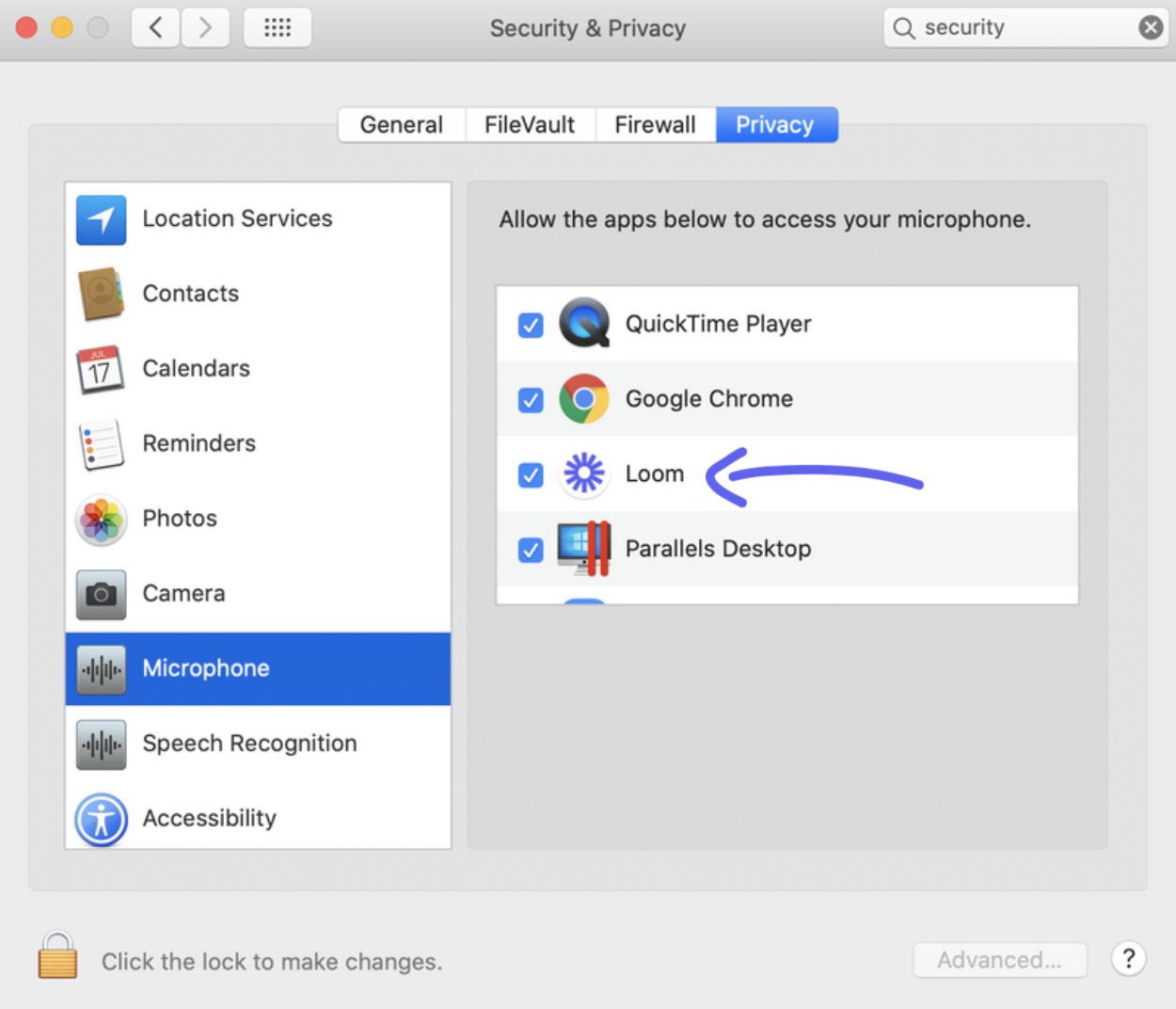
That's All! But Don't Forget to Update
Hopefully, the above troubleshooting tips helped and whatever issue that was bugging you is now finally fixed!
Apple has performed numerous updates to the Files app to resolve early launch issues, and the entire thing works quite well compared to what we had before.
The only downside is that Files app updates are integrated into iOS system updates, so any issues that you come across do take a while to get fixed permanently.
And that means installing any iOS updates as soon as they are released. Now don't forget that, got it?
The above article may contain affiliate links which help support Guiding Tech. However, it does not affect our editorial integrity. The content remains unbiased and authentic.Read NextHow to Wirelessly Manage Files on Your iOS Device With AirmoreAlso See#troubleshooting #iOS Files App
Did You Know
Nintendo was originally started as a card playing company.